Vinyl Siding Installation Mistakes to Avoid: A Comprehensive Guide
Exploring the realm of vinyl siding installation mistakes to avoid, this guide delves into the common errors that can impact your project's success. From preparation steps to choosing the right materials, uncover essential tips for a flawless installation process.
Detailing the significance of proper preparation and material selection, this guide equips you with the knowledge to achieve a professional finish and long-lasting results for your vinyl siding project.
Common Mistakes in Vinyl Siding Installation
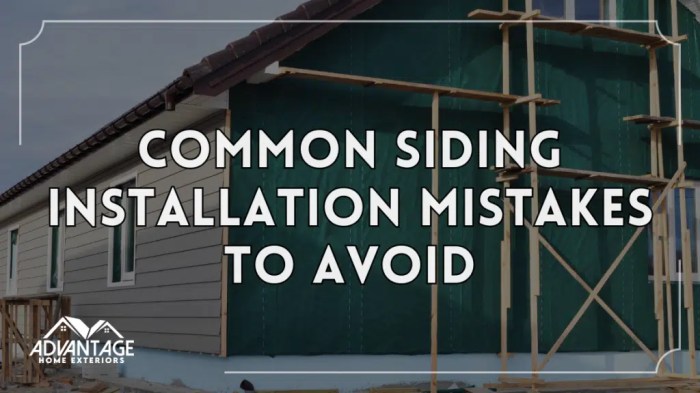
When it comes to installing vinyl siding, there are several common mistakes that can significantly impact the outcome of the project. Understanding these mistakes and knowing how to avoid them is crucial for achieving a successful vinyl siding installation.
1. Improper Measurement and Cutting
Incorrect measurements and cutting of vinyl siding panels can lead to gaps, overlaps, and uneven installation. This not only affects the aesthetics of the siding but can also compromise its durability and weather resistance. Proper measurement and precise cutting are essential to ensure a seamless and professional-looking finish.
2. Neglecting Proper Fastening
Failing to secure vinyl siding panels properly can result in loose or wobbly sections that are prone to damage and can allow moisture infiltration. Using the correct type and number of fasteners, as well as following manufacturer guidelines for spacing and placement, is crucial for ensuring the siding remains securely in place over time.
3. Ignoring Expansion Gaps
Vinyl siding expands and contracts with changes in temperature, so it is essential to leave sufficient expansion gaps at the ends of each panel and around windows, doors, and corners. Neglecting these gaps can lead to buckling, warping, or distortion of the siding, compromising its appearance and structural integrity.
4. Improper Installation of J-Channel and Trim Pieces
J-channels and trim pieces are essential components of a vinyl siding installation, providing a finished look and protecting vulnerable edges. Incorrectly installing these elements can result in gaps, uneven seams, or water penetration behind the siding. Properly securing and sealing J-channels and trim pieces is crucial for a professional and long-lasting installation.
5. Lack of Proper Insulation and Moisture Barrier
Insufficient insulation and moisture barrier behind the vinyl siding can lead to energy loss, moisture buildup, and mold growth. It is essential to properly insulate exterior walls and install a moisture barrier to protect the home from water damage and maintain energy efficiency.
Neglecting these steps can result in costly repairs and compromised indoor comfort.
Proper Preparation Steps
Before beginning a vinyl siding installation, it is crucial to follow specific preparation steps to ensure a successful outcome. Proper preparation helps in avoiding mistakes and ensures a smooth installation process.
Clear the Work Area
- Remove any existing siding or trim from the exterior of the house.
- Clean the work area thoroughly to remove dirt, debris, and any obstacles that could hinder the installation process.
- Inspect the wall surface for any damage or rot and make necessary repairs before proceeding.
Take Accurate Measurements
- Measure the walls where the vinyl siding will be installed accurately to determine the amount of material needed.
- Account for openings such as doors, windows, and corners when taking measurements to avoid shortages or wastage.
Prepare the Surface
- Clean the wall surface thoroughly to ensure proper adhesion of the vinyl siding.
- Apply a weather-resistant barrier or house wrap to protect the underlying structure from moisture infiltration.
- Install furring strips or foam insulation to create a flat surface for the siding and improve energy efficiency.
Organize Materials and Tools
- Gather all the necessary tools and materials required for the installation, including siding panels, trim pieces, nails, and a saw.
- Organize the materials in a convenient location near the work area to streamline the installation process.
Plan the Layout
- Create a layout plan to determine the starting point, direction of installation, and placement of seams for a professional-looking finish.
- Consider factors like exposure to sunlight and visual appeal when planning the layout of the vinyl siding.
Choosing the Right Materials
Choosing the right materials for vinyl siding installation is crucial to ensure the longevity and aesthetics of your home's exterior. Here, we will discuss the importance of selecting high-quality materials, the differences between various types of vinyl siding materials, and share tips on identifying the best materials for a durable and visually appealing siding.
Types of Vinyl Siding Materials
- Vinyl: The most common type of vinyl siding, known for its affordability and low maintenance requirements.
- PVC: A more durable option than traditional vinyl, offering better resistance to impact and weather damage.
- Insulated Vinyl: Provides additional insulation for improved energy efficiency and better soundproofing.
Identifying the Best Materials
- Look for materials with a high thickness rating, as thicker siding tends to be more durable and resistant to dents and warping.
- Choose materials with UV protection to prevent fading and discoloration over time.
- Consider the warranty offered by the manufacturer as an indicator of the quality and longevity of the materials.
- Consult with a professional or contractor to get recommendations on the best materials for your specific needs and budget.
Installation Techniques and Best Practices
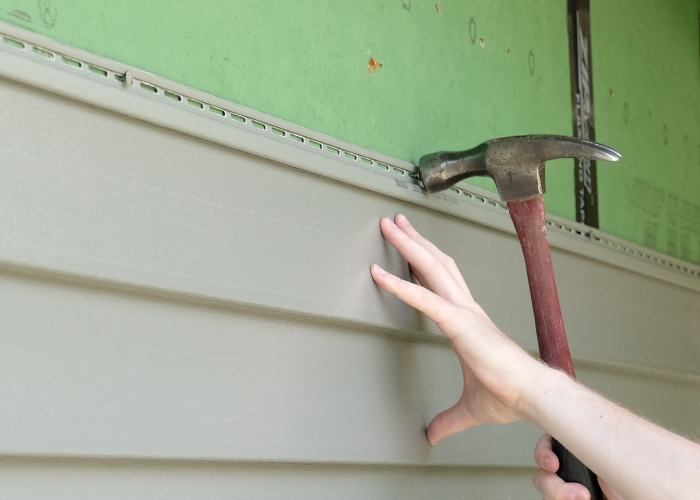
Proper installation techniques are crucial to ensure a professional finish and long-lasting results when installing vinyl siding. Here, we will discuss the best practices for installing vinyl siding correctly, providing step-by-step guidance and sharing tips and tricks for a successful installation.
Proper Installation Techniques
- Start by properly preparing the surface where the vinyl siding will be installed. Ensure it is clean, smooth, and free of any debris or damage.
- Begin by installing the starter strip at the bottom of the wall, making sure it is level and properly aligned.
- Install the corner posts and J-channels around windows and doors before starting to install the siding panels.
- Overlap the siding panels correctly, following the manufacturer's instructions for the specific type of vinyl siding you are using.
- Secure the panels in place using nails or screws, making sure not to drive them in too tightly to allow for expansion and contraction.
- Properly cut and trim the siding panels to fit around obstacles such as windows, doors, and corners for a clean and professional look.
- Finish the installation by installing the top row of siding and the trim pieces to complete the project.
Tips for a Professional Finish
- Take your time and double-check measurements and alignment throughout the installation process to avoid costly mistakes.
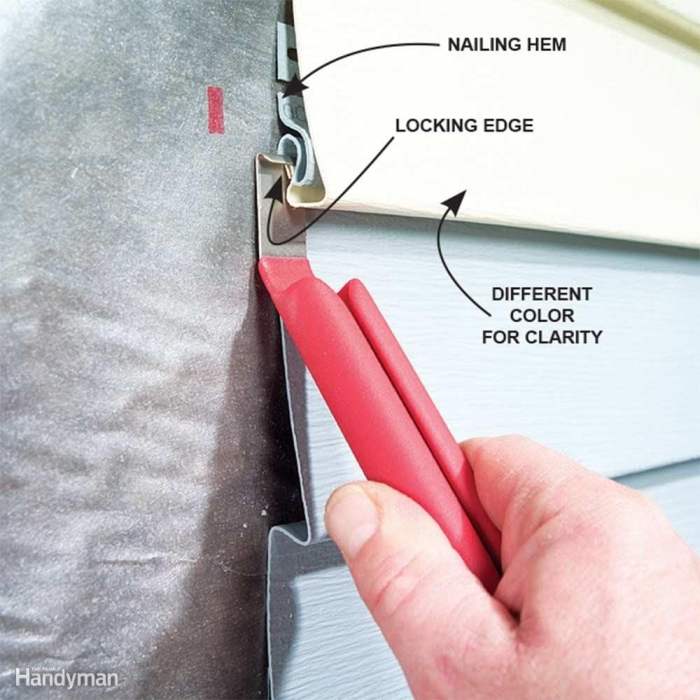
- Use a snap lock punch tool to create tabs on the siding panels for a secure fit and improved wind resistance.
- Ensure proper ventilation behind the siding to prevent moisture buildup and potential damage to the structure.
- Apply caulk or sealant around windows, doors, and trim pieces to prevent water infiltration and improve energy efficiency.
- Clean the vinyl siding regularly to maintain its appearance and extend its lifespan.
Closing Notes
In conclusion, by steering clear of these common mistakes and following best practices, you can ensure a seamless vinyl siding installation. Armed with the right information, you're on your way to a visually appealing and durable siding that enhances the beauty of your home.
FAQ Corner
What are the top 5 common mistakes in vinyl siding installation?
The common mistakes include improper measurements, using incorrect tools, inadequate surface preparation, poor material selection, and improper fastening techniques.
Why is proper preparation crucial before starting a vinyl siding installation?
Proper preparation ensures a smooth installation process by addressing potential issues upfront, leading to a professional finish and long-lasting results.
How can I choose the right materials for vinyl siding installation?
Select high-quality materials by considering factors like durability, aesthetics, and weather resistance. Look for reputable brands and seek guidance from professionals if needed.
What are some best practices for installing vinyl siding correctly?
Best practices include following manufacturer guidelines, ensuring proper overlap and alignment, using the right tools, and paying attention to detail for a flawless finish.