Cost of replacing vinyl siding: Factors, Estimates, Strategies, and Challenges
Exploring the realm of replacing vinyl siding delves into various factors that influence costs, estimation methods, cost-saving strategies, and common challenges. This comprehensive guide aims to shed light on the intricacies of vinyl siding replacement, offering valuable insights for homeowners and contractors alike.
When it comes to revamping your property with new vinyl siding, understanding the cost implications is crucial. Let's delve deeper into the key aspects that dictate the expenses involved in this home improvement endeavor.
Factors affecting the cost of replacing vinyl siding
When considering the cost of replacing vinyl siding, several factors come into play that can influence the overall expense. Let's delve into the key factors that impact the cost of this home improvement project.
Siding material quality
The quality of the siding material you choose can significantly affect the cost of replacement. Higher-quality vinyl siding tends to be more durable, weather-resistant, and aesthetically pleasing, but it also comes at a higher price point. Cheaper vinyl siding options may save you money upfront, but they could end up costing more in the long run due to potential repairs or replacements.
Labor costs
Labor costs play a crucial role in determining the overall expense of replacing vinyl siding. The complexity of the installation process, the skills and experience of the workers, and the location of your property can all impact labor costs. It's essential to factor in labor costs when budgeting for a vinyl siding replacement project.
Size of the property
The size of your property can significantly influence the cost of replacing vinyl siding. Larger homes require more materials and labor, which can drive up the overall expense. Additionally, properties with unique architectural features or challenging layouts may require additional time and effort, further impacting the cost of the project.
Vinyl siding styles and textures
The price of vinyl siding can vary based on the style and texture you choose. Basic vinyl siding options are typically more affordable, while premium styles with intricate textures or designs can be more expensive. It's essential to consider your aesthetic preferences and budget when selecting the right vinyl siding for your home.
Estimating the cost of vinyl siding replacement
Replacing vinyl siding involves several costs that need to be considered to ensure an accurate estimation. Let's break down the typical costs involved in the replacement process and discuss tips for obtaining accurate quotes from contractors.
Breakdown of typical costs
- Labor costs: This includes the cost of hiring professionals to remove the old siding, prepare the surface, and install the new vinyl siding.
- Materials costs: The cost of the vinyl siding panels, trim pieces, insulation, and any additional accessories needed for the project.
- Equipment costs: Cost of any specialized equipment required for the installation process.
- Permit costs: Some areas may require permits for siding replacement, which can add to the overall cost.
Tips for obtaining accurate quotes
- Get multiple quotes: It's important to get quotes from several contractors to compare prices and services offered.
- Be specific: Provide detailed information about the project scope, including the size of the area to be covered, desired materials, and any additional features.
- Ask about warranties: Inquire about warranties on both labor and materials to ensure you are covered in case of any issues post-installation.
Additional features and pricing
- Trim and accessories: Adding decorative trim or accessories can increase the overall cost of the project.
- Insulation: Installing insulation along with the vinyl siding can improve energy efficiency but will add to the total cost.
- Soffits and fascia: Replacing soffits and fascia boards can also impact the pricing of the project.
Importance of warranties and guarantees
- Warranties: Consider the length and coverage of warranties offered by contractors and manufacturers to protect your investment in the long run.
- Guarantees: Look for contractors who offer guarantees on their workmanship to ensure quality installation and potential repairs if needed.
Cost-saving strategies for vinyl siding replacement
When it comes to replacing vinyl siding, there are several cost-saving strategies that homeowners can consider. From DIY options to negotiating pricing with contractors, these strategies can help reduce the overall cost of the project.
DIY options to reduce labor costs
One cost-saving strategy for vinyl siding replacement is to take on some of the work yourself. By handling tasks like removing the old siding, preparing the surface, or even installing the new siding, homeowners can save on labor costs. However, it's essential to have the necessary skills and tools to ensure the job is done correctly.
Pros and cons of reusing existing siding versus complete replacement
Reusing existing siding can be a cost-saving option, as it eliminates the need to purchase new materials. However, old siding may not provide the same level of insulation or protection as new siding. Complete replacement, although more expensive upfront, can offer improved energy efficiency and durability in the long run.
Insights on negotiating pricing with contractors
When working with contractors for vinyl siding replacement, it's essential to negotiate pricing to get the best deal possible. Homeowners can compare quotes from multiple contractors, ask for discounts or promotions, or consider scheduling the project during the off-peak season to potentially lower costs.
Tips on selecting cost-effective but durable siding materials
Choosing cost-effective but durable siding materials is crucial for saving money in the long term. Opting for high-quality vinyl siding with a good warranty can ensure longevity and reduce the need for frequent repairs or replacements. It's essential to balance cost and quality when selecting siding materials for the replacement project.
Common challenges that impact the cost of vinyl siding replacement
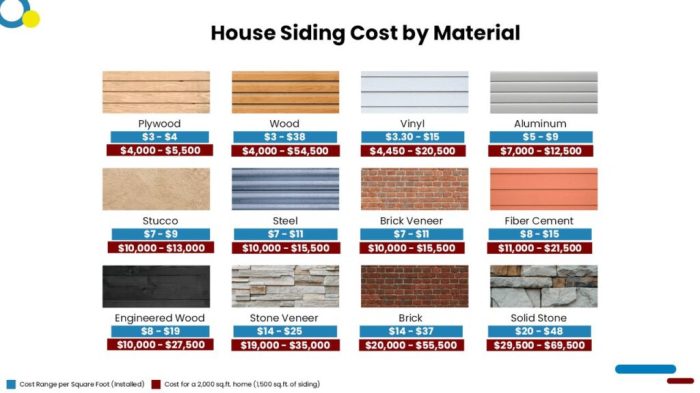
When replacing vinyl siding, several challenges can arise that impact the overall cost of the project. These challenges can include structural damage, weather conditions, unforeseen problems, and budget overruns. It is essential to be aware of these factors to effectively manage the expenses involved in the replacement process.
Structural Damage
Structural damage is a common challenge that can significantly impact the cost of vinyl siding replacement. If underlying structural issues are discovered during the removal of old siding, additional repairs may be required before installing the new siding. This unexpected cost can cause the overall project budget to increase, so it is crucial to factor in potential structural damage when estimating the replacement cost.
Weather Conditions
Weather conditions play a crucial role in the timeline and expenses of vinyl siding replacement. Inclement weather, such as heavy rain or extreme cold, can delay the project and increase labor costs. Additionally, adverse weather conditions can affect the quality of installation, leading to potential rework and additional expenses.
It is essential to consider the weather forecast and plan the replacement project accordingly to minimize disruptions and cost overruns.
Unforeseen Problems
Unforeseen problems can arise during the vinyl siding replacement process, causing budget overruns and unexpected expenses. Issues such as hidden damage, mold remediation, or structural weaknesses can emerge as the project progresses, requiring immediate attention and additional funds. To manage unforeseen problems effectively, it is essential to conduct a thorough inspection before starting the replacement and set aside a contingency budget to address any unexpected issues that may arise.
Solutions for Managing Unexpected Cost Escalations
To manage unexpected cost escalations during vinyl siding replacement, it is crucial to stay proactive and prepared. Regular inspections, proper planning, and setting aside a contingency fund can help mitigate the impact of unforeseen problems on the project budget. Working closely with experienced contractors and keeping open communication can also help address any issues promptly and prevent budget overruns.
By being proactive and prepared for potential challenges, homeowners can ensure a smoother and more cost-effective vinyl siding replacement process.
End of Discussion
In conclusion, navigating the cost landscape of replacing vinyl siding requires careful consideration of factors like material quality, labor expenses, and cost-saving strategies. By being well-informed and prepared, homeowners can embark on this renovation journey with confidence, knowing they have the knowledge to make informed decisions.
FAQ Insights
How does the quality of siding material impact the cost?
The higher the quality of siding material, the more expensive the overall replacement cost is likely to be due to increased durability and aesthetic appeal.
What are some DIY options to reduce labor costs?
DIY options such as removing old siding or painting new siding yourself can help lower labor expenses significantly.
How do weather conditions affect project timelines and expenses?
Adverse weather conditions can lead to delays in the project timeline and potentially increase expenses due to the need for additional protective measures.
How can homeowners negotiate pricing with contractors?
Homeowners can negotiate pricing with contractors by obtaining multiple quotes, comparing offers, and discussing the scope of work in detail to reach a mutually beneficial agreement.
What are some cost-effective yet durable siding materials to consider?
Options like fiber cement siding or engineered wood siding offer a balance between cost-effectiveness and durability for homeowners looking to replace vinyl siding.