How to Prevent Mold on Vinyl Siding: A Comprehensive Guide
Discover the secrets to keeping your vinyl siding mold-free with our detailed guide on prevention methods. From understanding how mold forms to preemptive measures and effective cleaning techniques, this article covers it all.
Learn how to maintain the beauty and durability of your vinyl siding by implementing these practical tips and strategies.
Understanding Mold Growth on Vinyl Siding
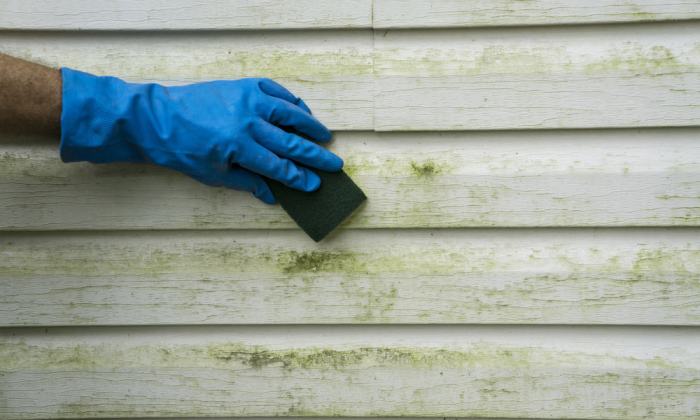
Mold growth on vinyl siding is a common issue that many homeowners face. Mold develops on vinyl siding due to various factors such as moisture, lack of sunlight, and organic matter present on the surface. These conditions create the perfect environment for mold spores to thrive and spread rapidly.
Conditions that Promote Mold Growth on Vinyl Siding
- Prolonged exposure to moisture: Vinyl siding that is constantly exposed to moisture from rain, snow, or high humidity levels is more prone to mold growth.
- Lack of sunlight: Areas of vinyl siding that are shaded or receive minimal sunlight provide a conducive environment for mold to develop.
- Presence of organic matter: Dust, dirt, and other organic materials that accumulate on the surface of vinyl siding can serve as nutrients for mold growth.
Common Causes of Mold on Vinyl Siding
- Improper drainage: Poor drainage systems or clogged gutters can lead to water accumulation on vinyl siding, promoting mold growth.
- Overgrown vegetation: Trees, bushes, or plants that are in close proximity to vinyl siding can create shade and trap moisture, facilitating mold development.
- Lack of maintenance: Failure to clean and inspect vinyl siding regularly can result in the buildup of dirt and debris, providing a breeding ground for mold.
Impact of Mold on Vinyl Siding
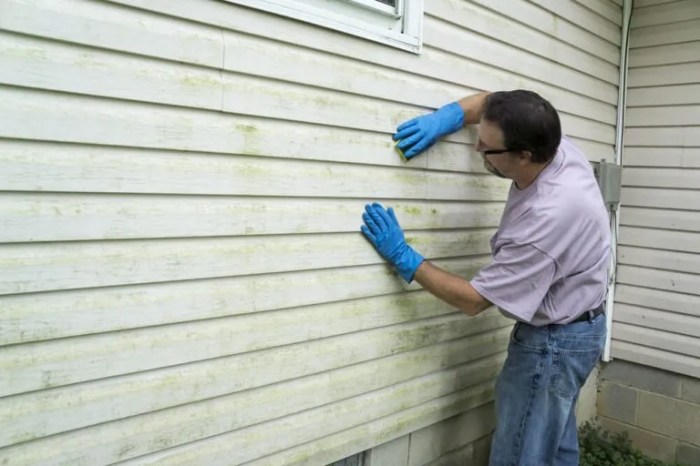
- Aesthetics: Mold growth on vinyl siding can cause unsightly black or green stains, detracting from the curb appeal of a home.
- Integrity: Over time, mold can weaken the structure of vinyl siding, leading to cracks, warping, or other damage that may require costly repairs or replacement.
Preemptive Measures for Mold Prevention
Regular maintenance practices are essential for preventing mold on vinyl siding. This includes cleaning the siding regularly to remove dirt, debris, and organic matter that can promote mold growth.Proper ventilation plays a crucial role in mold prevention on vinyl siding.
Ensuring good airflow between the siding and the wall can help reduce moisture buildup, which is a key factor in mold development.Sunlight exposure is also important in inhibiting mold growth on vinyl siding. Direct sunlight can help dry out the surface and prevent moisture from lingering, which is necessary for mold to thrive.Landscaping choices can affect mold development on vinyl siding as well.
Avoid planting shrubs or trees too close to the siding, as they can block sunlight and airflow, creating a conducive environment for mold growth.
Cleaning Techniques for Mold Removal

When it comes to removing mold from vinyl siding, using effective cleaning solutions is essential to prevent its recurrence and maintain the siding's appearance and longevity. Mold not only poses health risks but also detracts from the aesthetic appeal of your home.
Let's explore the various cleaning techniques for mold removal on vinyl siding.
Effective Cleaning Solutions
- One common DIY solution for removing mold from vinyl siding is a mixture of water and white vinegar. This natural solution can effectively kill mold spores and prevent further growth.
- Another option is to use a commercial mold cleaner specifically designed for vinyl siding. These cleaners are formulated to break down mold and mildew without damaging the siding material.
DIY vs. Professional Cleaning Services
- DIY cleaning methods can be cost-effective and convenient for minor mold issues. However, for extensive mold growth or hard-to-reach areas, professional cleaning services may be necessary for thorough removal.
- Professional cleaners have the expertise and tools to effectively remove mold from vinyl siding without causing damage. They can also provide preventative treatments to inhibit future mold growth.
Frequency of Cleaning
- It is recommended to clean vinyl siding at least once a year to prevent mold buildup and maintain its appearance. However, areas prone to high humidity or shade may require more frequent cleaning to prevent mold growth.
- Regular inspections of the siding for any signs of mold or mildew can help catch the issue early and prevent extensive damage.
Tips for Safe and Effective Cleaning
- Before cleaning, make sure to wet the siding to prevent mold spores from becoming airborne during the cleaning process.
- Use a soft-bristled brush or a sponge to gently scrub the mold-infested areas, avoiding harsh scrubbing that could damage the siding.
- Rinse the siding thoroughly after cleaning to remove any leftover cleaning solution and prevent streaking or residue buildup.
- Wear protective gear such as gloves, goggles, and a mask to avoid direct contact with mold spores and cleaning chemicals.
Additional Protective Measures
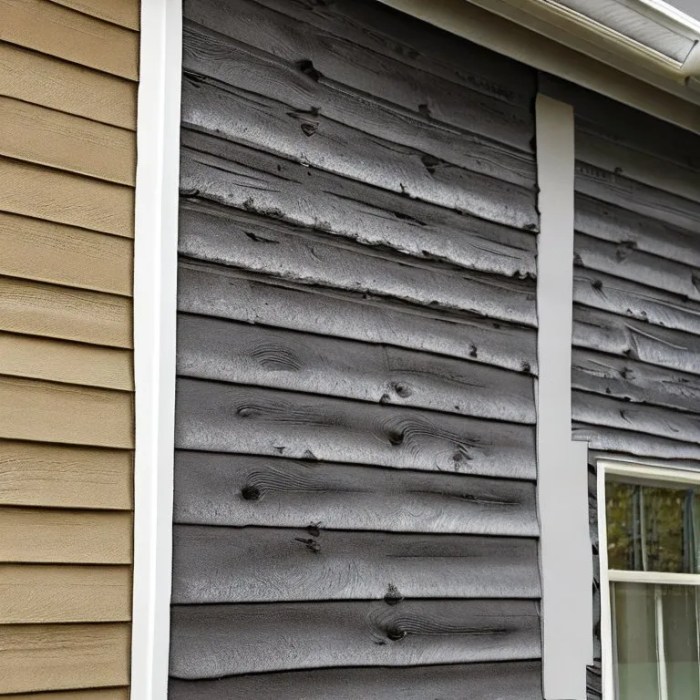
When it comes to preventing mold on vinyl siding, there are additional protective measures you can take to ensure your home remains mold-free.
Use of Mold-Resistant Coatings
Applying mold-resistant coatings to your vinyl siding can provide an extra layer of protection against mold growth. These coatings contain additives that inhibit the growth of mold and mildew, helping to keep your siding clean and mold-free.
Gutter Maintenance Impact
Proper gutter maintenance is essential in preventing mold growth on vinyl siding. Clogged or damaged gutters can lead to water overflow, causing moisture to seep into the siding and creating a conducive environment for mold to thrive. Regularly clean and inspect your gutters to avoid this issue.
Role of Caulking and Sealing
Caulking and sealing gaps and cracks in your vinyl siding can help prevent water intrusion, which is a common cause of mold formation. By ensuring a tight seal, you can minimize the risk of moisture penetrating the siding and causing mold growth.
Seeking Professional Assistance
If you are unsure about how to effectively prevent mold on your vinyl siding or if you notice extensive mold growth that requires expert intervention, it may be time to seek professional assistance. Mold remediation specialists can assess the situation, provide guidance on preventive measures, and help remove existing mold safely and effectively.
Last Point
In conclusion, safeguarding your vinyl siding against mold is crucial for its longevity and appearance. By following the preventive measures Artikeld here, you can ensure a mold-free exterior that enhances the curb appeal of your home.
Commonly Asked Questions
How often should I clean my vinyl siding to prevent mold?
Cleaning your vinyl siding at least once a year using a mixture of water and mild detergent can help prevent mold buildup.
Can landscaping choices really impact mold growth on vinyl siding?
Yes, certain landscaping features like dense vegetation close to the siding can create a damp environment conducive to mold growth.
Is professional assistance necessary for mold prevention on vinyl siding?
While DIY cleaning methods are effective, professional cleaning services can provide a thorough and long-lasting solution for mold removal.