Best practices for cleaning vinyl siding: A Comprehensive Guide
Exploring the best practices for cleaning vinyl siding is essential for homeowners looking to maintain the beauty and durability of their exterior. This comprehensive guide delves into the importance of regular cleaning, the tools and materials needed, preparation steps, various cleaning methods, and maintenance tips to keep your vinyl siding looking fresh and vibrant.
Whether you're a seasoned homeowner or new to the world of exterior maintenance, this guide will provide valuable insights to ensure your vinyl siding stays in top condition for years to come.
Importance of cleaning vinyl siding
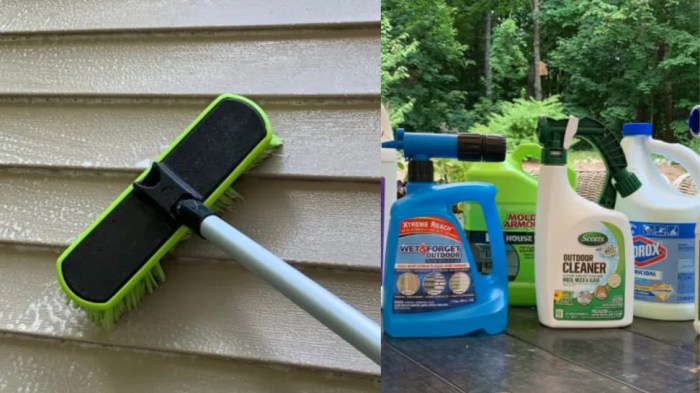
Keeping vinyl siding clean is essential for maintaining its appearance and longevity. Regular cleaning helps prevent dirt, mold, and mildew from building up on the surface, which can lead to discoloration and damage over time.
Impact of neglecting regular cleaning
- Neglecting regular cleaning of vinyl siding can result in permanent stains and difficult-to-remove grime.
- Over time, mold and mildew growth can compromise the integrity of the siding, leading to costly repairs or replacement.
- Failure to clean the siding can also attract pests that may cause further damage to the home.
Clean siding enhances curb appeal
Clean vinyl siding significantly improves the curb appeal of a home, making it look well-maintained and inviting. It gives a fresh and vibrant appearance to the exterior, enhancing the overall aesthetic appeal of the property.
Tools and materials needed for cleaning vinyl siding
Cleaning vinyl siding effectively requires the right tools and materials to ensure a thorough job without causing any damage. Here are the essential items you will need:
Essential Tools:
- Soft bristle brush or sponge: Using a soft brush or sponge helps prevent scratching or damaging the vinyl siding while effectively removing dirt and grime.
- Long-handled brush or mop: A long-handled brush or mop will allow you to reach higher areas of the siding without the need for a ladder.
- Bucket: Fill a bucket with the cleaning solution to easily dip your brush or sponge for application.
- Hose: A garden hose with a spray nozzle will be needed to rinse off the cleaning solution and dirt from the siding.
- Ladder: If necessary, have a sturdy ladder on hand to reach higher sections of the siding safely.
Safe Cleaning Solutions:
- Vinyl siding cleaner: Look for a cleaning solution specifically designed for vinyl siding to ensure it effectively removes dirt without damaging the material.
- Mild detergent: If you prefer a DIY approach, you can mix a mild detergent with water to create a gentle cleaning solution for vinyl siding.
- Water: Plain water can also be used for a simple rinse, but for tougher stains, a cleaning solution may be necessary.
Importance of Using Soft Bristle Brushes or Sponges:
Using soft bristle brushes or sponges is crucial when cleaning vinyl siding to avoid causing any scratches or damage to the surface. Vinyl siding can easily be scratched by abrasive materials, so using gentle tools will ensure a safe and effective cleaning process.
Preparing the vinyl siding for cleaning
Before you start cleaning your vinyl siding, it's essential to properly prepare the surface to ensure effective and safe cleaning. Here are the steps involved in preparing the vinyl siding for cleaning:
Protecting nearby plants, windows, and doors
- Water nearby plants before cleaning to prevent any cleaning solutions from damaging them.
- Cover plants, windows, and doors with plastic sheeting or a tarp to shield them from cleaning solutions and water runoff.
- Securely tape the edges of the covering to ensure no solution seeps through and causes damage.
Checking for damaged areas
- Inspect the vinyl siding for any cracks, holes, or damage that may need repair before cleaning.
- Address any damaged areas promptly to prevent water infiltration and further deterioration during the cleaning process.
- Repairing damaged areas before cleaning can help maintain the integrity and appearance of your vinyl siding.
Methods for cleaning vinyl siding
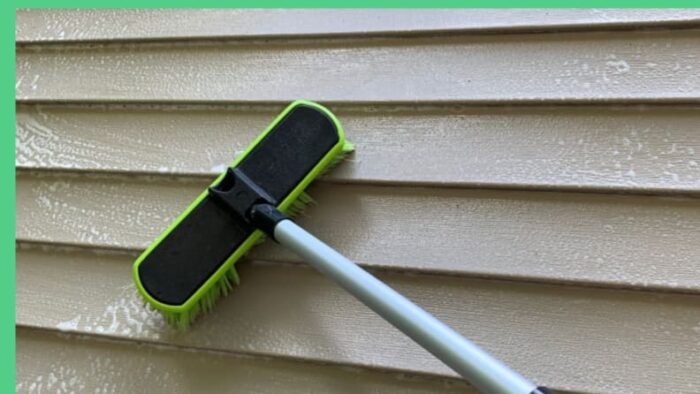
When it comes to cleaning vinyl siding, there are several methods you can use to effectively remove dirt, grime, and other build-up. Each method has its own benefits and drawbacks, so it's important to choose the one that best suits your needs.
Using a Pressure Washer
One popular method for cleaning vinyl siding is using a pressure washer. This high-powered tool can quickly and efficiently remove dirt and grime, leaving your siding looking like new. However, it's important to use the pressure washer correctly to avoid damaging the siding or causing water to seep behind it.
Scrubbing by Hand
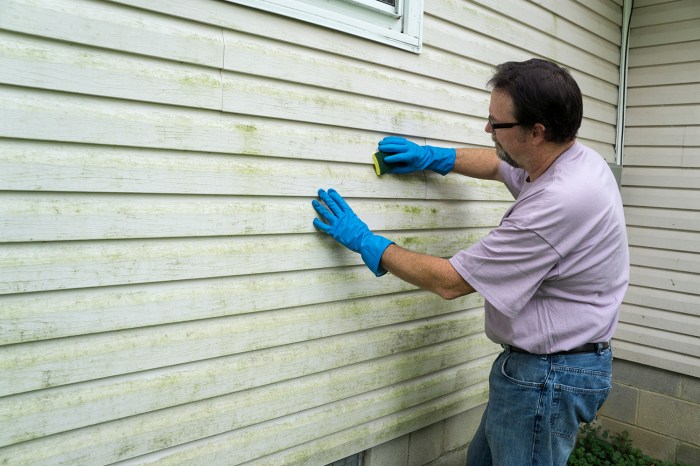
For a more hands-on approach, you can scrub your vinyl siding by hand using a soft-bristled brush and a cleaning solution. This method allows you to target specific areas that may need extra attention and is gentler on the siding than a pressure washer.
However, it can be more time-consuming and labor-intensive.
Using a Cleaning Solution with a Hose
Another method for cleaning vinyl siding is using a cleaning solution and a hose. Simply mix the solution with water, apply it to the siding, and then rinse it off with a hose. This method is easy and cost-effective, but may not be as thorough as using a pressure washer or scrubbing by hand.
Maintenance tips for preserving clean vinyl siding
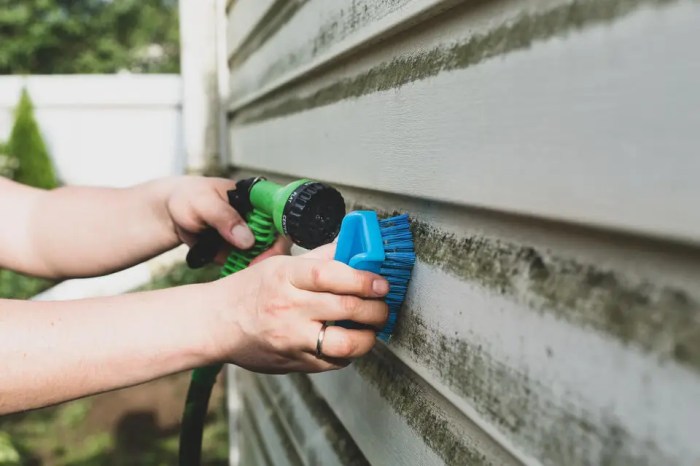
Regular maintenance is essential to keep your vinyl siding looking clean and fresh throughout the year. Here are some tips to help you preserve the cleanliness of your vinyl siding and prevent mold, mildew, and algae growth.
Frequency of Cleaning
- Depending on your location and climate, it is recommended to clean your vinyl siding at least once a year.
- In areas with high humidity or frequent rain, more frequent cleanings may be necessary to prevent mold and mildew buildup.
Preventing Mold, Mildew, and Algae Growth
- Regularly inspect your vinyl siding for any signs of mold, mildew, or algae growth.
- Trim back trees and shrubs near the siding to allow for better airflow and prevent moisture buildup.
- Use a mixture of water and white vinegar to clean areas prone to mold and mildew growth.
- Apply a mold and mildew inhibitor to the siding after cleaning to prevent future growth.
Closure
In conclusion, following the best practices Artikeld in this guide will not only enhance the appearance of your home but also prolong the life of your vinyl siding. By incorporating these tips into your regular maintenance routine, you can enjoy a clean and well-maintained exterior that boosts your home's curb appeal.
Question & Answer Hub
How often should I clean my vinyl siding?
You should aim to clean your vinyl siding at least once a year to prevent dirt buildup and maintain its appearance.
Can I use bleach to clean vinyl siding?
It's not recommended to use bleach as it can cause damage to the siding. Opt for gentle cleaning solutions specifically designed for vinyl siding.
What is the best way to prevent mold growth on vinyl siding?
Regularly cleaning your siding and ensuring proper ventilation around your home can help prevent mold and mildew from developing.
Is it necessary to hire professionals for cleaning vinyl siding?
While you can clean vinyl siding yourself with the right tools and knowledge, hiring professionals can ensure a thorough and efficient cleaning process.
Can I use a pressure washer to clean vinyl siding?
Yes, you can use a pressure washer on a low setting, but be cautious not to use too much pressure as it can damage the siding.