Title: Understanding Vinyl Siding Expansion and Contraction
Vinyl siding expansion and contraction are crucial factors to consider when dealing with exterior home maintenance. This article delves into the intricacies of how temperature changes impact vinyl siding and provides practical tips for installation and maintenance. Let's explore the world of vinyl siding and how it expands and contracts in response to various environmental factors.
Vinyl Siding Expansion and Contraction
Vinyl siding is a popular choice for exterior cladding due to its durability, low maintenance, and versatility. However, it is important to understand the concept of expansion and contraction in vinyl siding to ensure proper installation and long-term performance.Expansion and contraction refer to the natural tendency of vinyl siding to expand in hot temperatures and contract in cold temperatures.
This phenomenon occurs because vinyl is a type of plastic that responds to changes in temperature by expanding and contracting. Failure to account for this movement can lead to buckling, warping, or gaps in the siding.
Factors Contributing to Vinyl Siding Expansion and Contraction
- Temperature fluctuations: Extreme temperature changes can cause vinyl siding to expand and contract.
- Exposure to sunlight: Direct sunlight can heat up the siding, leading to expansion.
- Humidity levels: High humidity can affect the dimensions of the vinyl siding.
- Improper installation: Incorrectly fastening or securing the siding can restrict its natural movement.
Importance of Considering Expansion and Contraction when Installing Vinyl Siding
- Prevents damage: By allowing for proper expansion and contraction, you can prevent costly damage to the siding.
- Ensures longevity: Properly installed vinyl siding will have a longer lifespan and maintain its aesthetic appeal over time.
- Maintains structural integrity: Allowing the siding to move freely reduces the risk of structural issues in the long run.
Effects of Temperature Changes
Temperature changes play a significant role in the expansion and contraction of vinyl siding. As temperatures rise, vinyl siding expands, and as temperatures drop, it contracts. This natural process can have various effects on the overall durability and appearance of vinyl siding.
Impact of Extreme Temperatures
Extreme temperatures, whether hot or cold, can lead to more pronounced expansion and contraction of vinyl siding. In hot climates, prolonged exposure to high temperatures can cause the vinyl siding to expand significantly, potentially leading to warping or buckling. Conversely, in cold climates, rapid temperature drops can result in excessive contraction, which may cause the vinyl siding to crack or become brittle.To minimize the impact of temperature changes on vinyl siding, proper installation techniques are essential.
Ensuring that the siding is installed with enough room for expansion and contraction can help prevent damage. Additionally, choosing high-quality vinyl siding materials that are designed to withstand temperature fluctuations can also help prolong the lifespan of the siding. Regular maintenance and inspections can further help identify any issues early on and prevent more significant damage caused by temperature changes.
Installation Considerations
When installing vinyl siding, it is crucial to consider the expansion and contraction properties of the material to ensure a long-lasting and visually appealing result.
Proper Spacing for Expansion and Contraction
- Allow for at least 1/4 inch of space at all ends of the siding panels to accommodate expansion during warmer temperatures.
- Ensure proper spacing between panels to prevent buckling or warping when the vinyl contracts in colder weather.
- Use manufacturer-recommended accessories like J-channels and corner posts to create expansion joints and maintain consistent spacing.
Role of Fasteners and Trim
- Choose fasteners that allow for some movement, such as nails with a wider head or slots for adjustment, to prevent damage from expansion and contraction.
- Install trim pieces like soffit and fascia to help secure the vinyl siding in place while still allowing for movement.
- Consider using vinyl-compatible caulking or sealant around windows, doors, and other openings to maintain a weather-tight seal without restricting the siding's movement.
Maintenance and Repair
Proper maintenance and timely repairs are essential to ensure the longevity and performance of vinyl siding, especially when dealing with issues related to expansion and contraction.
Common Issues
- Warped or buckled panels: Excessive expansion or contraction can lead to panels warping or buckling, affecting the overall aesthetic appeal of the siding.
- Gaps and overlaps: Fluctuations in temperature can cause gaps to form between siding panels or result in overlapping, compromising the weatherproofing of the structure.
- Cracking or breaking: Intense temperature changes may cause vinyl siding to crack or break, requiring immediate attention to prevent further damage.
Maintenance Best Practices
- Regular cleaning: Keep vinyl siding clean by washing it with a mixture of water and mild detergent to prevent dirt buildup that can exacerbate expansion and contraction issues.
- Inspect for damage: Periodically inspect the siding for any signs of damage, such as cracks or warping, and address them promptly to avoid more extensive repairs.
- Trim vegetation: Trim any trees or bushes near the siding to prevent them from rubbing against the panels and causing additional stress on the material.
Repairing Damage
- Replacing individual panels: If a panel is severely damaged due to expansion or contraction, it may need to be replaced to maintain the integrity of the siding.
- Sealing gaps: Use a quality caulk to seal any gaps or overlaps between siding panels to prevent water infiltration and further damage.
- Reinforcing fasteners: Ensure that all fasteners holding the siding in place are secure and replace any that may have loosened due to movement caused by temperature changes.
Concluding Remarks
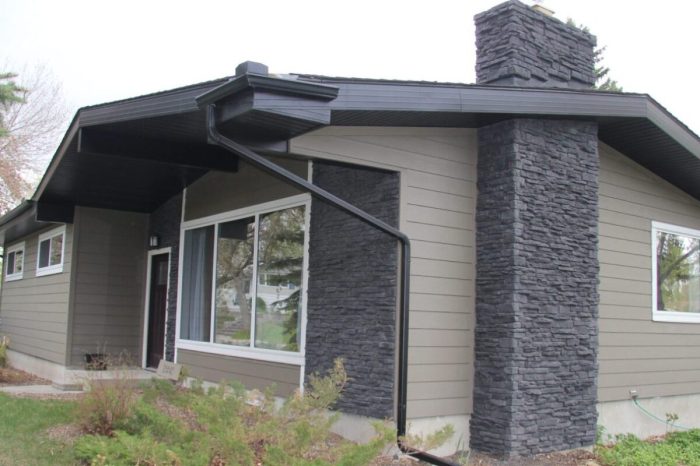
In conclusion, understanding the dynamics of vinyl siding expansion and contraction is essential for ensuring the longevity and durability of your home's exterior. By following the guidelines Artikeld in this article, you can effectively manage and mitigate any issues related to expansion and contraction in vinyl siding.
Stay informed, stay proactive, and enjoy the benefits of a well-maintained home.
Top FAQs
How do extreme temperatures affect vinyl siding?
Extreme temperatures can cause vinyl siding to expand or contract rapidly, leading to warping or buckling. It's important to install vinyl siding correctly to account for these temperature fluctuations.
What are some common issues related to expansion and contraction in vinyl siding?
Common issues include cracking, warping, and loosening of panels. Proper maintenance and installation can help prevent these problems.
How can I repair damage caused by expansion and contraction in vinyl siding?
To repair damage, you may need to replace affected panels or sections of the siding. It's important to address the issue promptly to prevent further damage.