Vinyl Siding Thickness for Durability: A Comprehensive Guide
Exploring the importance of vinyl siding thickness for durability, this guide delves into the impact of different thickness levels on longevity and strength. From common thickness options to factors influencing selection, this article covers everything you need to know about choosing the right thickness for your home.
Vinyl Siding Thickness Importance
When it comes to vinyl siding, thickness plays a crucial role in determining the durability and longevity of the material. Thicker siding is generally more robust and better equipped to withstand the elements, making it a preferred choice for homeowners looking for a long-lasting solution.
Impact on Longevity and Strength
- Thicker vinyl siding is less prone to warping or sagging over time, maintaining its structural integrity for longer periods.
- Increased thickness can provide better protection against impacts from hail, debris, or accidental damage, reducing the need for repairs or replacements.
- Stronger siding can also contribute to the overall stability of the building, offering enhanced support and protection against external forces.
Resistance to Elements
- Thicker vinyl siding is more resistant to high winds, minimizing the risk of panels coming loose or getting damaged during storms.
- Enhanced thickness can improve the siding's ability to repel moisture, reducing the chances of water infiltration and mold growth within the walls.
- Overall, a thicker vinyl siding can offer better protection against various environmental factors, ensuring the longevity and appearance of the home.
Common Thickness Options
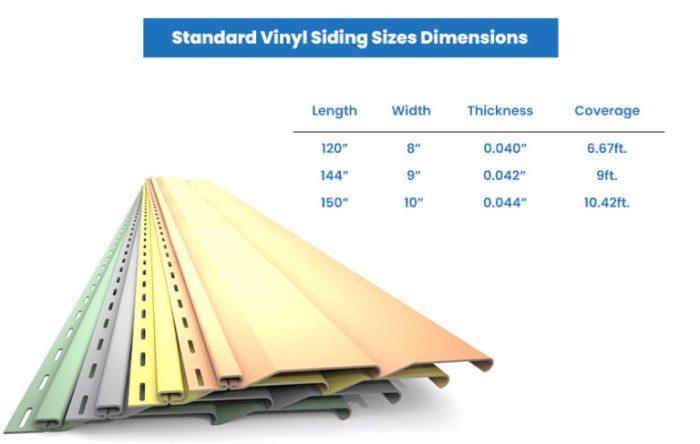
Vinyl siding is available in various thickness options in the market, each offering different levels of durability and cost. The thickness of vinyl siding is measured in mils, with 1 mil equal to 0.001 inches. Common thickness options range from 0.035 inches to 0.055 inches, with some premium options going up to 0.075 inches.
Comparing Different Thickness Levels
- 0.035 inches: This is the most common and budget-friendly option. While it provides basic protection against the elements, it may not be as durable in extreme weather conditions.
- 0.045 inches: A step up from the basic option, this thickness offers better durability and resistance to impact and weather damage. It strikes a balance between cost and longevity.
- 0.055 inches: Considered a premium thickness, this option provides superior strength and durability. It offers enhanced protection against hail, wind, and other harsh weather conditions.
Performance in Varying Weather Conditions
Thicker vinyl siding tends to perform better in extreme weather conditions, such as high winds, hail, and heavy rainfall. It offers increased resistance to dents, warping, and cracking compared to thinner options.
- In colder climates, thicker vinyl siding helps retain heat and provides better insulation, reducing energy costs.
- In areas prone to high winds or storms, thicker siding can better withstand impact and protect the underlying structure of the building.
- Thinner vinyl siding may be sufficient for milder climates with less severe weather patterns, offering a more budget-friendly option for homeowners.
Factors Influencing Thickness Selection
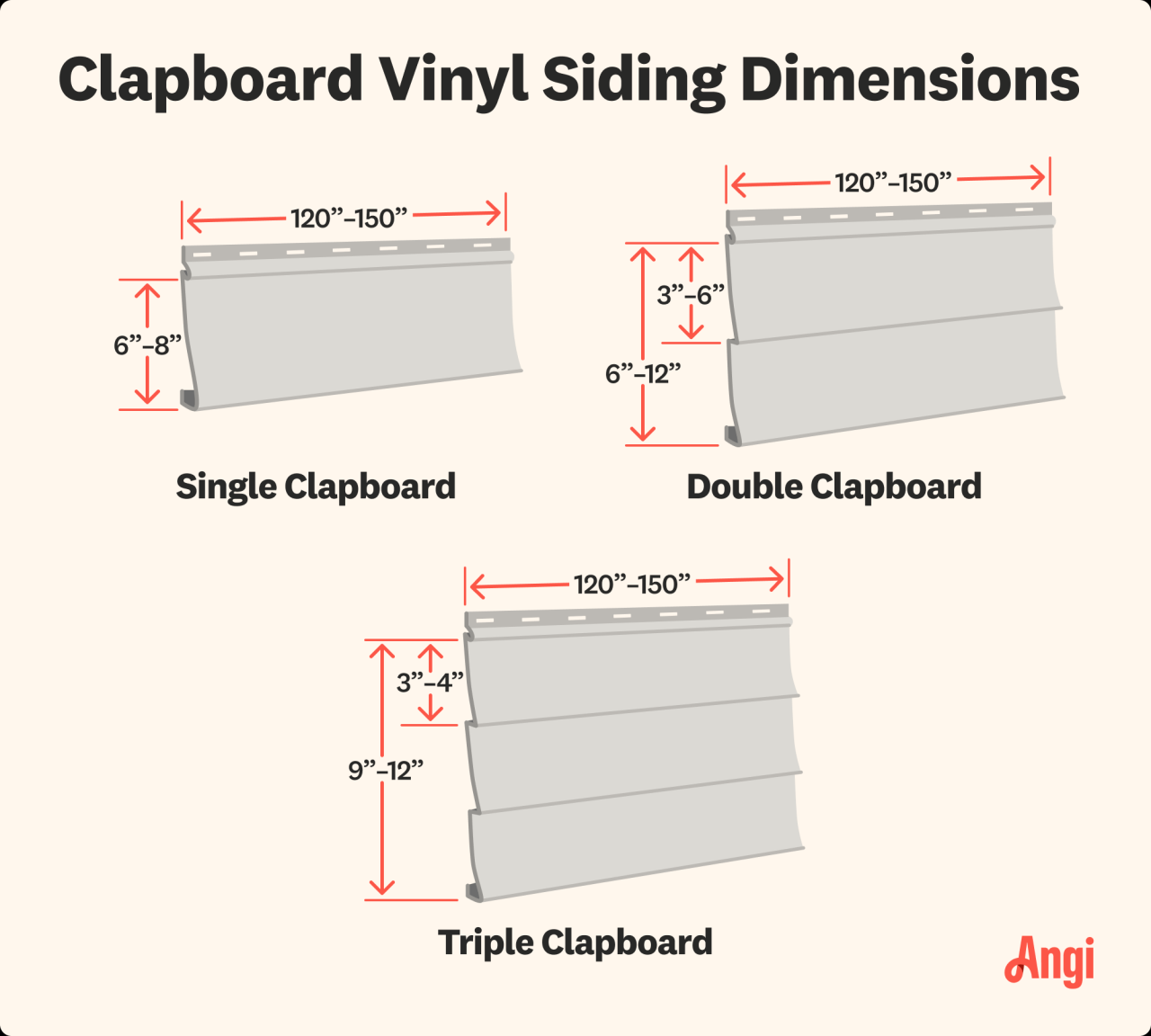
When choosing the thickness of vinyl siding, homeowners should consider various factors that can impact their decision
Location
The location of a property can greatly influence the choice of vinyl siding thickness. Homes in areas prone to extreme weather conditions, such as hurricanes or high winds, may benefit from thicker siding to provide better protection against potential damage.
Climate
Climate is another important factor to consider when selecting the thickness of vinyl siding. Properties in regions with harsh winters or intense sunlight may require thicker siding to withstand temperature fluctuations and UV exposure over time.
Desired Aesthetic
The desired aesthetic of a home also plays a key role in determining the appropriate thickness of vinyl siding. Some homeowners may prefer a more substantial look and feel, which can be achieved with thicker siding options, while others may prioritize a sleek and minimalist design.
Assessing Individual Needs
To assess the best thickness of vinyl siding based on individual needs and preferences, homeowners can consider factors such as their budget, maintenance requirements, and long-term durability goals. Consulting with a professional contractor can also provide valuable insights and recommendations based on the specific characteristics of the property.
Installation Considerations
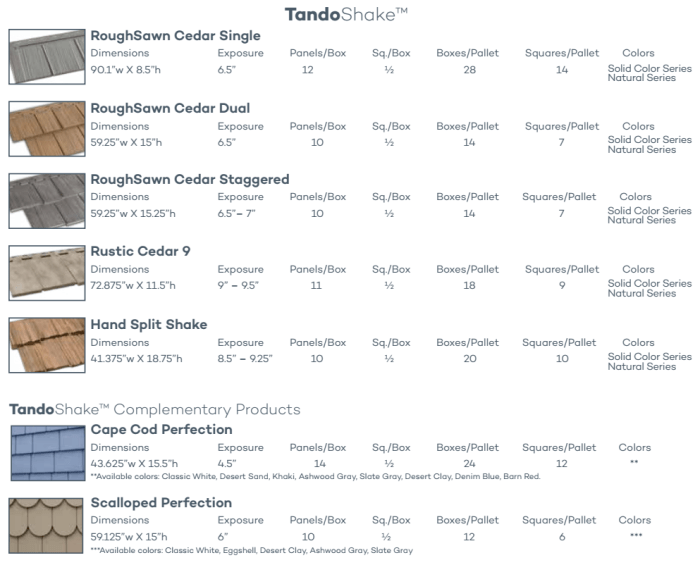
When it comes to installing vinyl siding of different thicknesses, there are specific best practices and considerations to ensure durability and performance.
Best Practices for Installing Different Thicknesses
- Ensure the surface where the siding will be installed is clean, flat, and properly prepared to prevent any issues with the siding adhering correctly.
- Follow manufacturer guidelines for spacing and nailing patterns to ensure the siding is securely attached and can withstand weather conditions.
- Use the appropriate tools and equipment for the specific thickness of siding being installed to avoid any damage during the installation process.
Special Requirements for Thicker Siding
- Thicker vinyl siding may require additional time and effort to cut and install compared to thinner options, so plan accordingly for the project timeline.
- Consider using longer nails or screws to securely fasten thicker siding to prevent any buckling or warping over time.
- Thicker siding may have specific manufacturer recommendations for installation, so be sure to follow these guidelines for optimal performance.
Recommendations for Proper Installation
- Take the time to carefully measure and plan the layout of the siding before installation to ensure a seamless and professional finish.
- Inspect the siding for any defects or damage before installation, and address any issues to prevent problems down the line.
- Consider hiring a professional installer for thicker vinyl siding to ensure it is installed correctly and to avoid any potential issues with performance or durability.
Conclusive Thoughts
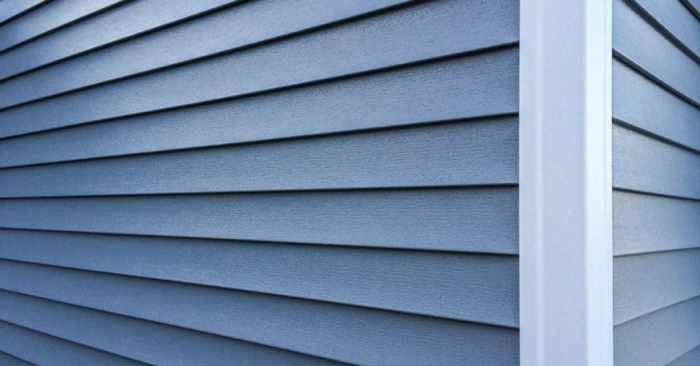
In conclusion, understanding the role of vinyl siding thickness in enhancing durability is crucial for homeowners looking to invest in a long-lasting exterior. By considering factors like climate, location, and installation practices, you can ensure that your siding stands the test of time.
Frequently Asked Questions
What is the significance of thickness in vinyl siding?
The thickness of vinyl siding directly impacts its durability, strength, and resistance to elements like wind, impact, and moisture.
What are the common thickness options available for vinyl siding?
Typical thickness options for vinyl siding range from 0.04 inches to 0.05 inches, with variations in durability and cost.
How do factors like location and climate influence the selection of vinyl siding thickness?
Homeowners should consider their location, climate conditions, and desired aesthetic when choosing the appropriate thickness of vinyl siding to ensure optimal performance.