Vinyl Siding Maintenance Tips: A Comprehensive Guide to Keeping Your Home Exterior Pristine
Delving into the realm of Vinyl siding maintenance tips, this guide aims to equip you with essential knowledge to uphold the durability and aesthetic appeal of your home's exterior. From cleaning techniques to preventative measures, each section offers valuable insights to ensure your vinyl siding remains in top-notch condition.
Exploring the nuances of proper maintenance, this guide will empower you to tackle issues head-on and preserve the beauty of your home for years to come.
Importance of Vinyl Siding Maintenance
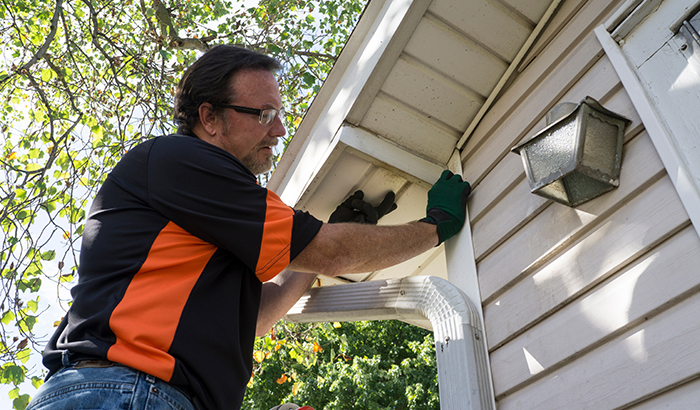
Regular maintenance is essential for the longevity of vinyl siding. By taking care of your siding, you can ensure it remains in good condition and continues to protect your home effectively.Neglecting maintenance tasks can lead to various consequences, such as mold growth, discoloration, warping, and even structural damage to your home.
These issues can not only affect the appearance of your property but also compromise its integrity and potentially result in costly repairs.
Common Issues from Lack of Maintenance
- 1. Mold and Mildew: Without proper cleaning and maintenance, moisture can build up behind the siding, leading to mold and mildew growth.
- 2. Fading and Discoloration: Exposure to the elements and lack of upkeep can cause vinyl siding to fade and lose its color over time.
- 3. Warping and Buckling: Extreme temperature fluctuations and moisture can cause vinyl siding to warp and buckle, affecting its appearance and functionality.
- 4. Pest Infestations: Gaps or cracks in neglected siding can provide entry points for pests like insects and rodents, leading to infestations.
Cleaning Vinyl Siding
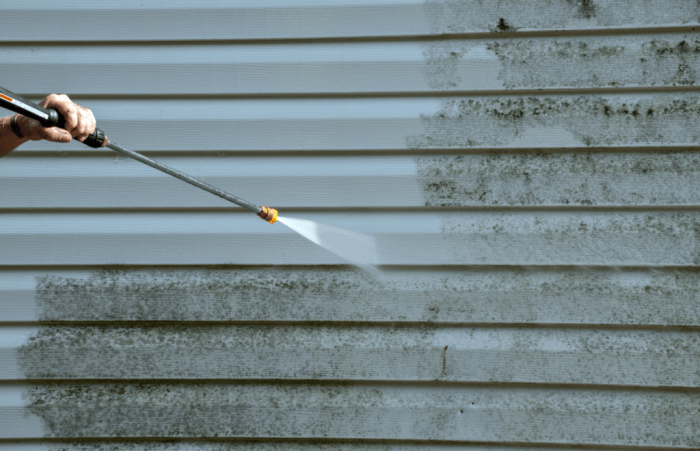
Keeping your vinyl siding clean is essential for maintaining its appearance and longevity. Regular cleaning can help prevent mold, mildew, and dirt buildup, keeping your home looking fresh and well-maintained.
Effective Methods for Cleaning Vinyl Siding
- Start by rinsing the siding with a garden hose to remove loose dirt and debris.
- Use a soft-bristled brush or a cloth mop to scrub the siding with a mixture of water and mild soap.
- For tough stains, you can use a solution of water and white vinegar or a specialized vinyl siding cleaner.
- Rinse the siding thoroughly with clean water to remove any soap residue.
Specific Cleaning Solutions and Tools
- White vinegar mixed with water is a natural and effective cleaning solution for vinyl siding.
- Commercial vinyl siding cleaners are also available and can be used according to the manufacturer's instructions.
- A pressure washer can be used for a more thorough cleaning, but be cautious with the pressure to avoid damaging the siding.
Tips for Safely Removing Dirt, Grime, and Stains
- Avoid using harsh chemicals or abrasive materials that can scratch or damage the vinyl siding.
- Test any cleaning solution on a small, inconspicuous area of the siding before applying it to the entire surface.
- Work from the bottom up when cleaning to prevent streaking and ensure thorough coverage.
- Rinse the siding well after cleaning to remove all traces of cleaning solution and prevent residue buildup.
Inspecting for Damage
Regular inspections are crucial in maintaining the integrity of your vinyl siding. By identifying damage early on, you can prevent more extensive and costly repairs down the line. Here are key areas to inspect for common signs of wear and tear:
Key Areas to Inspect
- Check for cracks or holes in the siding panels.
- Inspect for warping or buckling of the siding.
- Look for signs of moisture or mold growth.
- Check for loose or missing panels.
- Inspect the caulking and seals around windows and doors.
It's important to create a checklist to guide your visual inspection
Repair and Maintenance Tasks
Regular maintenance and timely repairs are essential to ensure the longevity and appearance of your vinyl siding. Addressing issues like cracks, holes, warping, or fading promptly can prevent further damage and maintain the overall integrity of your siding.
Common Repair and Maintenance Tasks
- Cracks: Use a vinyl siding repair kit to fix small cracks. Clean the area, apply the repair compound, and smooth it out for a seamless finish.
- Holes: For small holes, use a patch kit specifically designed for vinyl siding. Cut the patch to size, apply adhesive, and press it firmly onto the hole.
- Warping: Warped vinyl siding can be heated with a heat gun to reshape it. Be cautious not to overheat and damage the siding further.
- Fading: To address fading, consider painting the vinyl siding with a high-quality exterior paint suitable for vinyl surfaces. Ensure proper cleaning and priming before painting.
DIY Repairs vs. Professional Help
While minor repairs can often be done as do-it-yourself projects, there are situations where calling a professional is the best course of action. If you are unsure about the extent of the damage or lack the tools and expertise needed, it's advisable to seek professional help to prevent costly mistakes or further damage.
Preventative Measures
Preventing damage to vinyl siding is essential to prolonging its lifespan and maintaining its appearance. By taking proactive measures, you can protect your siding from potential harm and ensure it continues to look its best.
Protecting from Harsh Weather Conditions
Harsh weather conditions can take a toll on vinyl siding, causing it to fade, crack, or warp. To protect your siding from these elements, consider the following strategies:
- Regularly clean your siding to remove dirt, debris, and mold that can weaken its surface.
- Apply a protective coating or sealant to create a barrier against moisture and UV rays.
- Trim trees and bushes near your home to prevent branches from scratching or falling onto your siding during storms.
- Inspect your siding after severe weather events and address any damage promptly to prevent further issues.
Maintaining Appearance and Integrity
To maintain the appearance and integrity of your vinyl siding, consider these proactive measures:
- Regularly inspect your siding for signs of wear, such as cracks, warping, or discoloration.
- Address any minor damage immediately by repairing or replacing affected sections to prevent further deterioration.
- Avoid using harsh chemicals or abrasive cleaners when cleaning your siding to prevent damage to the surface.
- Consider installing gutter guards to prevent debris buildup and water damage that can affect your siding.
Last Recap
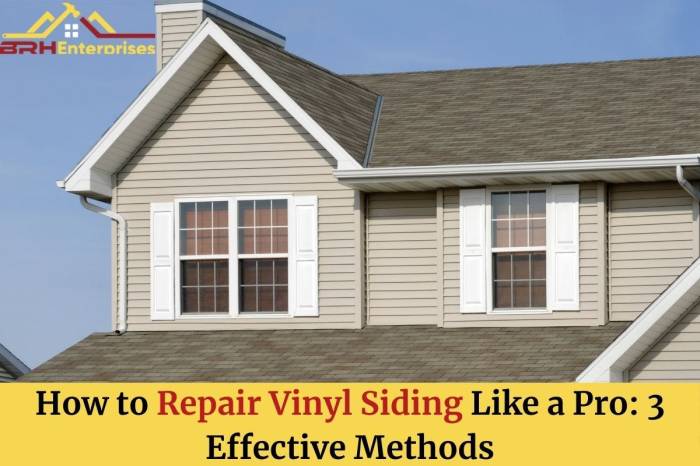
In conclusion, mastering the art of Vinyl siding maintenance is key to safeguarding your investment and enhancing the curb appeal of your property. By following the tips Artikeld in this guide, you can proactively address issues and maintain the pristine condition of your vinyl siding, ensuring long-lasting beauty and protection against the elements.
Top FAQs
How often should I clean my vinyl siding?
It is recommended to clean your vinyl siding at least once a year to prevent dirt buildup and maintain its appearance.
Can I use bleach to clean vinyl siding?
While bleach can be effective in removing mold and mildew, it should be diluted and used with caution to avoid damaging the siding.
What should I do if I notice cracks in my vinyl siding?
You can repair small cracks with vinyl siding repair kits, but larger cracks may require professional assistance to ensure proper restoration.
How can I protect my vinyl siding from fading?
Applying a UV-resistant coating or choosing lighter colors can help prevent fading due to sun exposure.
Is it necessary to inspect my vinyl siding after severe weather conditions?
Yes, it is essential to inspect your vinyl siding after severe weather to identify any damage caused by strong winds, hail, or debris.