Exploring the Benefits of Insulated Vinyl Siding
Delving into the advantages of insulated vinyl siding, this discussion aims to shed light on its various benefits. From energy efficiency to environmental advantages, discover why this siding option stands out.
Benefits of insulated vinyl siding
Insulated vinyl siding is a type of exterior cladding that includes a layer of foam insulation attached to the back of the vinyl panels. This additional insulation helps improve energy efficiency and provides a range of benefits for homeowners.
Improved Energy Efficiency
- Insulated vinyl siding helps reduce energy loss through walls, keeping homes cooler in the summer and warmer in the winter.
- The insulation layer minimizes thermal bridging, which can lead to energy savings on heating and cooling costs.
- By maintaining more stable indoor temperatures, homeowners can rely less on HVAC systems, further reducing energy consumption.
Environmental Benefits
- Using insulated vinyl siding can contribute to lower energy usage, reducing the overall carbon footprint of a home.
- The durability of vinyl siding means less frequent replacements, reducing the demand for new materials and the associated environmental impact.
- Insulated vinyl siding is often recyclable, making it a more sustainable choice compared to other siding materials.
Cost-effectiveness
Insulated vinyl siding is a cost-effective option for homeowners looking to improve the energy efficiency of their homes while also enhancing curb appeal. Let's explore how this type of siding compares in cost to other materials and the long-term savings it can provide.
Comparing Costs
When comparing the cost of insulated vinyl siding to other siding materials such as wood or fiber cement, insulated vinyl siding tends to be more affordable upfront. Additionally, the installation costs are typically lower due to the ease of installation and the lightweight nature of vinyl siding.
Long-term Savings
Insulated vinyl siding offers excellent thermal performance, helping to reduce energy costs by keeping the home well-insulated throughout the year. This can lead to significant savings on heating and cooling bills over time, making it a cost-effective choice in the long run.
Increasing Property Value
Investing in insulated vinyl siding can also increase the overall property value of a home. The enhanced energy efficiency, durability, and low maintenance requirements of vinyl siding can make the property more attractive to potential buyers, resulting in a higher resale value.
Durability and maintenance
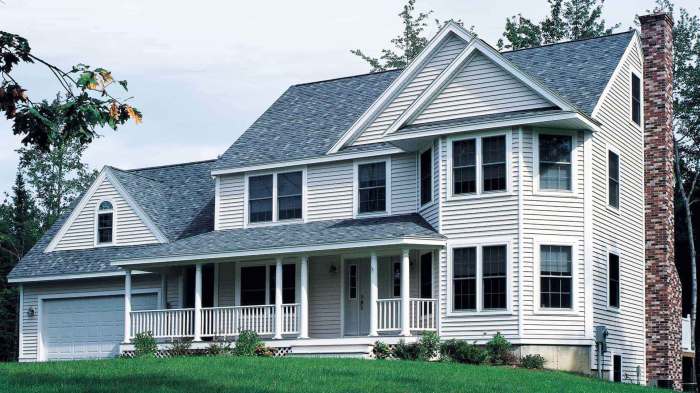
Insulated vinyl siding is known for its exceptional durability compared to traditional siding materials like wood or aluminum. This type of siding is designed to withstand harsh weather conditions, such as extreme heat, cold, and moisture, without warping, cracking, or fading over time.
Durability of Insulated Vinyl Siding
- Insulated vinyl siding is impact-resistant, making it less susceptible to dents or dings from everyday activities.
- It is highly resistant to pests, such as termites or other insects, which can cause damage to other types of siding materials.
- Insulated vinyl siding does not rot, decay, or corrode, ensuring a long-lasting exterior for your home.
Maintenance of Insulated Vinyl Siding
- Regular cleaning with a mixture of water and mild detergent can help maintain the appearance of insulated vinyl siding.
- Avoid using abrasive cleaners or tools that may scratch or damage the surface of the siding.
- Inspect the siding periodically for any signs of damage, such as cracks or loose panels, and repair them promptly to prevent further issues.
- Trim back any vegetation near the siding to prevent mold or mildew growth and ensure proper airflow around the panels.
Aesthetics and design options
When it comes to insulated vinyl siding, aesthetics and design options play a crucial role in enhancing the overall look of a home. The wide variety of colors and styles available make it a versatile choice for homeowners looking to improve the curb appeal of their property.
Variety of Colors and Styles
Insulated vinyl siding comes in a plethora of colors ranging from traditional neutrals to bold and vibrant hues. Homeowners can choose a color that complements their existing exterior or opt for a contrasting shade to make a statement. Additionally, there are different styles available, such as horizontal panels, vertical panels, shakes, and scallops, allowing for customization based on personal preference.
Versatility in Matching Architectural Designs
One of the key benefits of insulated vinyl siding is its versatility in matching various architectural designs. Whether your home is a modern masterpiece, a cozy cottage, or a traditional colonial, there is a design of insulated vinyl siding that will perfectly complement the style of your home.
The ability to mimic the look of wood, stone, or other materials further expands the possibilities for achieving a cohesive and visually appealing exterior.
Choosing the Right Design
When selecting the right design of insulated vinyl siding for a specific home, consider factors such as the architectural style of the house, the surrounding landscape, and the desired aesthetic. For example, a home with a Victorian aesthetic may benefit from scalloped siding, while a mid-century modern home could look stunning with sleek horizontal panels.
It's essential to choose a design that not only enhances the appearance of the home but also reflects your personal style and preferences.
Concluding Remarks
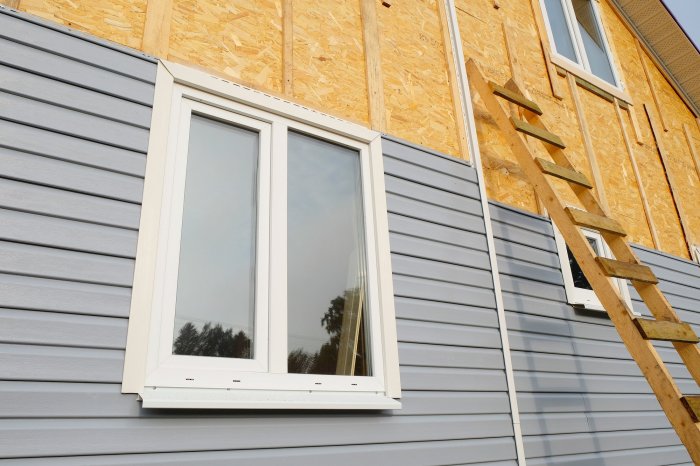
In conclusion, the Benefits of Insulated Vinyl Siding offer a compelling case for homeowners looking to enhance their property. With energy savings, durability, and aesthetic options, this siding choice proves to be a wise investment in the long run.
FAQ Resource
Is insulated vinyl siding environmentally friendly?
Yes, insulated vinyl siding is considered environmentally friendly as it helps improve energy efficiency, reducing the overall carbon footprint of a home.
How does insulated vinyl siding compare in cost to other materials?
Insulated vinyl siding is often more cost-effective compared to materials like wood or brick, offering long-term savings in utility bills.
Can insulated vinyl siding increase the value of a property?
Absolutely, the energy efficiency and durability of insulated vinyl siding can enhance the overall value of a home, making it an attractive choice for buyers.
What maintenance is required for insulated vinyl siding?
Insulated vinyl siding is low maintenance, requiring occasional cleaning with a mild detergent and water to keep it looking fresh and new.