Eco-friendly options for vinyl siding: A Sustainable Choice
Exploring the world of eco-friendly options for vinyl siding, this article dives into the environmental benefits, installation guides, maintenance tips, and cost considerations of choosing sustainable siding materials.
Benefits of Eco-friendly Vinyl Siding
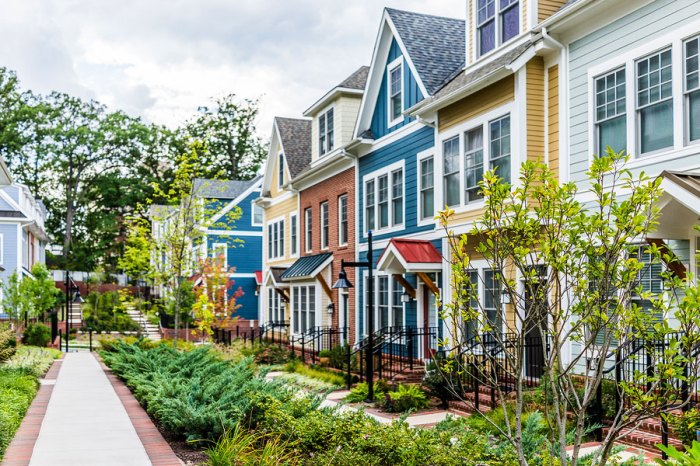
Eco-friendly vinyl siding offers several environmental advantages compared to traditional siding materials. By choosing eco-friendly options, homeowners can significantly reduce their carbon footprint and contribute to a more sustainable future.
Environmental Advantages
- Reduced energy consumption: Eco-friendly vinyl siding is designed to improve energy efficiency, leading to lower heating and cooling costs for homeowners.
- Recyclable materials: Many eco-friendly vinyl siding options are made from recycled materials, reducing the need for new resources and minimizing waste.
- Low maintenance: Eco-friendly vinyl siding requires minimal maintenance, reducing the use of harmful chemicals and cleaning agents that can harm the environment.
Contribution to Sustainability
- Longevity: Eco-friendly vinyl siding is durable and long-lasting, reducing the need for frequent replacements and minimizing waste generation.
- Energy efficiency: By improving insulation and reducing energy consumption, eco-friendly vinyl siding helps lower greenhouse gas emissions and promote sustainability.
- Renewable materials: Some eco-friendly vinyl siding options use renewable resources like plant-based polymers, further reducing environmental impact.
Materials Used
- Recycled vinyl: Some eco-friendly vinyl siding products are made from recycled vinyl, diverting waste from landfills and conserving resources.
- Bio-based polymers: Certain eco-friendly vinyl siding options incorporate bio-based polymers derived from plants like corn or soy, reducing reliance on fossil fuels.
- Natural additives: Eco-friendly vinyl siding may include natural additives like wood fibers or bamboo to enhance durability and sustainability.
Installation of Eco-friendly Vinyl Siding
Installing eco-friendly vinyl siding is a great way to improve the energy efficiency of your home while reducing your environmental impact. Proper installation is key to ensuring that your siding performs optimally and provides maximum benefits.
Step-by-Step Guide
- Prepare the surface: Make sure the surface where the siding will be installed is clean, smooth, and free of any debris or obstructions.
- Measure and cut the siding: Take accurate measurements of the area to be covered and cut the siding panels accordingly, ensuring a precise fit.
- Install the starter strip: Begin by installing a starter strip at the bottom of the wall to provide a secure base for the siding panels.
- Attach the siding panels: Secure the siding panels to the wall using nails or screws, making sure to leave room for expansion and contraction.
- Finish with trim and accessories: Complete the installation by adding trim pieces, corner posts, and other accessories to give your siding a polished look.
Tools and Equipment Needed
- Vinyl siding panels
- Measuring tape
- Saw for cutting
- Hammer or nail gun
- Screws or nails
- Level
- Caulk and caulk gun
Importance of Proper Installation
Proper installation of eco-friendly vinyl siding is essential to maximize its energy efficiency benefits. A well-installed siding will help to seal your home, reducing energy loss through walls and improving overall insulation. This can lead to lower energy bills and a more comfortable living environment.
Maintenance and Longevity of Eco-friendly Vinyl Siding
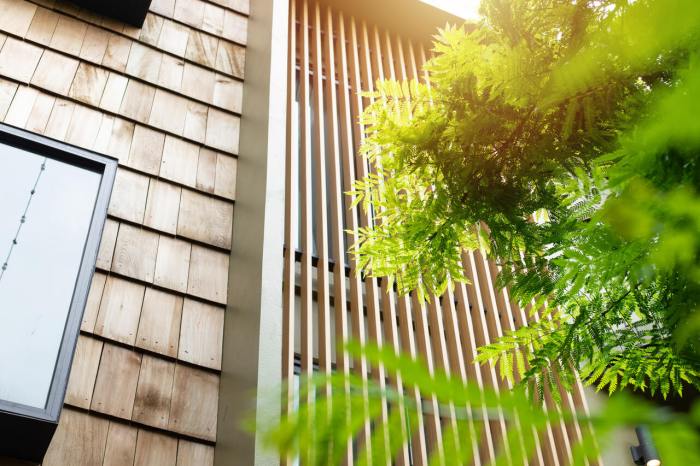
When it comes to eco-friendly vinyl siding, proper maintenance is key to ensure longevity and durability. By following some simple guidelines, you can help prolong the lifespan of your siding while also reducing your environmental impact.
Maintenance Requirements
- Regular Cleaning: Use a mild soap and water solution to clean your siding at least once a year to remove dirt, dust, and debris that can accumulate over time.
- Inspection: Periodically inspect your siding for any signs of damage, such as cracks, chips, or warping. Addressing these issues promptly can prevent further damage.
- Avoid Harsh Chemicals: When cleaning your siding, avoid using harsh chemicals or abrasive cleaners that can cause damage to the eco-friendly materials.
Comparing Durability
- Eco-friendly vinyl siding is designed to be just as durable as traditional vinyl siding, offering resistance to impact, moisture, and fading over time.
- With proper maintenance and care, eco-friendly options can have a similar lifespan to traditional vinyl siding, providing long-lasting protection for your home.
Tips for Prolonging Lifespan
- Trim Trees and Shrubs: Keep vegetation trimmed back from your siding to prevent damage from branches and foliage rubbing against the surface.
- Inspect Seals and Caulking: Check the seals and caulking around windows, doors, and other openings regularly to ensure a tight seal and prevent water infiltration.
- Address Repairs Promptly: If you notice any damage or issues with your siding, address them promptly to prevent further damage and maintain the integrity of your eco-friendly vinyl siding.
Cost Considerations and Return on Investment
When considering eco-friendly vinyl siding as an option for your home, it is important to analyze the initial costs compared to traditional siding options. While eco-friendly siding may have a slightly higher upfront cost, the long-term savings and return on investment can be significant.
Initial Costs
While traditional vinyl siding may have a lower initial cost, eco-friendly options tend to be more durable and energy-efficient, potentially leading to lower maintenance and utility costs over time. Additionally, the environmental benefits of eco-friendly siding can also add value to your home.
Potential Savings and Return on Investment
- Higher energy efficiency can lead to reduced heating and cooling costs, resulting in long-term savings on utility bills.
- Durable eco-friendly siding may require less maintenance and repairs, saving money on upkeep in the future.
- The increased resale value of a home with eco-friendly features can contribute to a higher return on investment when selling the property.
Financial Incentives and Rebates
Many government programs, utility companies, and eco-friendly initiatives offer financial incentives or rebates for choosing environmentally sustainable building materials, such as eco-friendly vinyl siding. These incentives can help offset the initial costs and make eco-friendly options more affordable for homeowners.
Conclusive Thoughts
In conclusion, opting for eco-friendly vinyl siding not only enhances the sustainability of your home but also offers long-term benefits in terms of durability and energy efficiency. Make the eco-conscious choice today for a greener tomorrow.
Detailed FAQs
What are the main environmental advantages of using eco-friendly vinyl siding?
Eco-friendly vinyl siding reduces environmental impact by using recycled materials and emitting fewer toxins during production.
How can I prolong the lifespan of eco-friendly vinyl siding?
Regular cleaning and inspections, along with avoiding harsh chemicals, can help extend the longevity of eco-friendly vinyl siding.
Are there any financial incentives for choosing eco-friendly siding?
Some regions offer rebates or tax credits for homeowners who opt for eco-friendly siding, providing potential cost savings in the long run.