Installing Vinyl Siding Over Wood Siding: A Comprehensive Guide
Embarking on the journey of installing vinyl siding over wood siding opens up a world of transformation for your home. This guide delves into the intricacies of the process, shedding light on essential steps and tips to ensure a seamless transition from old to new.
Exploring the nuances of each phase in the installation process, this guide equips you with the knowledge needed to tackle this project with confidence.
Preparation for Installation
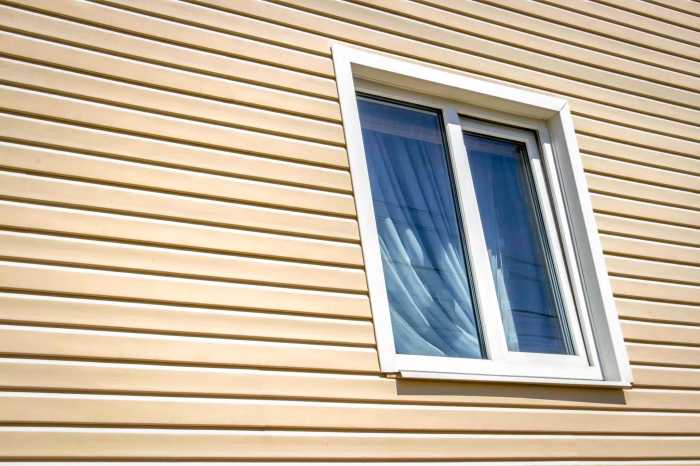
Before starting the installation process of vinyl siding over wood siding, it is essential to ensure that you have the necessary tools and have prepared the existing wood siding properly. Additionally, checking for any required permits or regulations is crucial to avoid any issues during the installation.
Tools Required for Installation:
- Hammer
- Tape measure
- Circular saw
- Level
- Tin snips
- Utility knife
- Caulk gun
- Power drill
- Ladder
Importance of Preparing Existing Wood Siding:
Preparing the existing wood siding before installing vinyl siding is crucial for a successful installation. Proper preparation ensures that the vinyl siding will adhere correctly and last longer. Some important steps to prepare the wood siding include:
- Cleaning the surface to remove dirt, debris, and mold.
- Repairing any damaged or rotten wood to create a smooth and stable surface.
- Applying a primer to improve adhesion and protect the wood.
Permits and Regulations:
Before starting the installation of vinyl siding, it is important to check with your local authorities for any necessary permits or regulations. Some areas may have specific requirements for siding installation, such as distance from property lines or color restrictions.
Ensuring compliance with these regulations will help prevent any issues in the future.
Removing Existing Siding
When it comes to installing vinyl siding over wood siding, one of the crucial steps is removing the existing siding safely and effectively. This process ensures that the new vinyl siding is installed on a clean and sturdy surface for optimal results.
Inspecting the Wall Structure
Before removing the old wood siding, it is essential to inspect the wall structure for any damage or issues that may need to be addressed. Look for signs of rot, mold, or water damage that could affect the installation of the vinyl siding.
It is important to make any necessary repairs or replacements to ensure a solid foundation for the new siding.
Disposal Process
Once the old wood siding has been removed, it is crucial to properly dispose of the material. Check with your local waste management services to see if they have specific guidelines for disposing of siding material. Consider recycling options or hiring a professional disposal service if needed to ensure the old siding is disposed of responsibly.
Installing Vinyl Siding
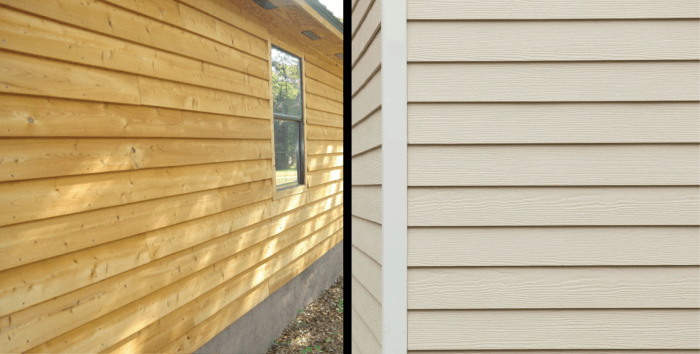
Installing vinyl siding over wood siding can be a cost-effective way to update the exterior of your home. It provides a fresh new look while also improving insulation and durability. Here, we will discuss the different methods of installation, measuring and cutting the vinyl siding, and securing it properly to the exterior wall.
Methods of Installing Vinyl Siding over Wood Siding
- Directly Over Existing Siding: One common method is to install the vinyl siding directly over the existing wood siding. This involves securing the new siding to the old siding without removing it.
- Furring Strips: Another method is to use furring strips to create an even surface for the vinyl siding. These strips are attached vertically over the wood siding, providing a smooth base for installation.
Measuring and Cutting Vinyl Siding
Before starting the installation process, it is crucial to measure and cut the vinyl siding accurately to ensure a proper fit. Here's how you can do it:
- Measure the height and width of the walls where the siding will be installed.
- Use a chalk line to mark the measurements on the vinyl siding panels.
- Cut the panels using a sharp utility knife or vinyl siding cutter.
- Make sure the panels are cut slightly shorter than the measured length to allow for expansion and contraction.
Securing Vinyl Siding to the Exterior Wall
Properly securing the vinyl siding is essential to ensure it stays in place and withstands external elements. Follow these tips to secure the siding effectively:
- Start at the bottom and work your way up when installing the siding.
- Use nails or screws to attach the siding to the furring strips or directly to the wood siding.
- Leave a small gap between the nail head and the siding to allow for movement.
- Overlap the siding panels according to the manufacturer's instructions to prevent water infiltration.
Finishing Touches and Maintenance
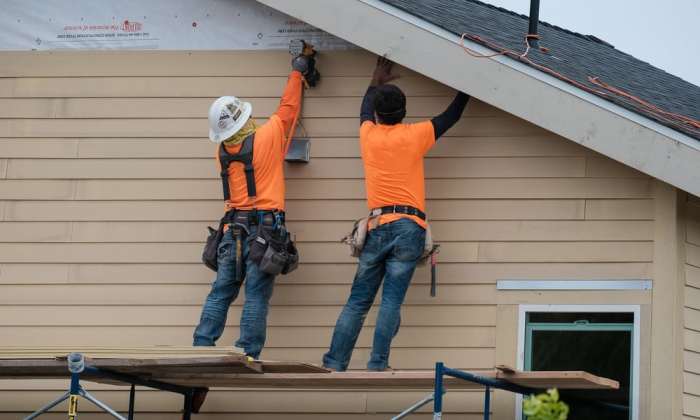
Installing vinyl siding is a great way to enhance the appearance of your home while also providing long-lasting protection. Once the main installation is complete, it's important to focus on the finishing touches and ongoing maintenance to ensure the longevity and durability of your vinyl siding.
Adding Trim and Accessories
After installing the vinyl siding panels, the next step is to add trim and accessories to give your home a polished look. This includes corner posts, window and door trim, soffit, fascia, and other decorative elements. Properly installed trim not only enhances the aesthetic appeal but also helps to protect the edges of the siding.
Maintenance and Cleaning
While vinyl siding is known for its low maintenance requirements, regular cleaning is still necessary to keep it looking its best. To clean vinyl siding, simply use a mixture of water and mild detergent, along with a soft brush or cloth to remove dirt and grime.
Avoid using harsh chemicals or abrasive tools that can damage the siding.
Preventing Warping and Buckling
One common issue with vinyl siding is warping or buckling, which can occur due to improper installation or exposure to extreme heat. To prevent this, make sure the siding is installed correctly according to manufacturer guidelines, leaving room for expansion and contraction.
Additionally, avoid hanging objects that can trap heat and cause the siding to warp.
End of Discussion
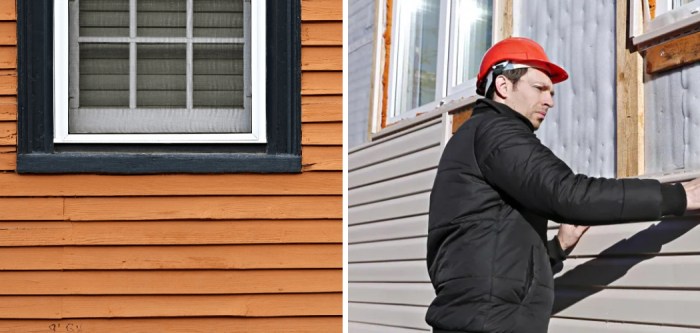
In conclusion, the installation of vinyl siding over wood siding not only enhances the aesthetics of your home but also provides durability and ease of maintenance. By following the Artikeld steps and recommendations, you can embark on this renovation journey with clarity and assurance.
Questions Often Asked
What tools are required for the installation process?
Tools such as a measuring tape, utility knife, and a snap lock punch are essential for installing vinyl siding over wood siding.
How can I prevent common issues like warping or buckling of vinyl siding?
To prevent warping or buckling, ensure proper installation by following manufacturer guidelines and allowing for expansion and contraction of the vinyl siding during temperature changes.