Vinyl Siding Fire Resistance Rating: Everything You Need to Know
Delve into the world of Vinyl siding fire resistance rating with an exciting look at how this crucial factor impacts building materials. From understanding the concept to exploring factors that influence ratings, this topic is a must-read for anyone considering vinyl siding for their property.
As we navigate through the intricacies of fire resistance ratings, you'll uncover valuable insights that can guide you in making informed decisions when it comes to choosing the right vinyl siding for your building.
Understanding Vinyl Siding Fire Resistance Rating
Fire resistance rating in the context of vinyl siding refers to the ability of the siding material to withstand fire and prevent its spread in the event of a fire. This rating is crucial in determining the safety and durability of the building.To determine the fire resistance rating of building materials like vinyl siding, various tests are conducted according to industry standards.
One common test is the ASTM E84 test, also known as the Standard Test Method for Surface Burning Characteristics of Building Materials. This test measures the flame spread and smoke development of materials when exposed to fire.Common fire resistance ratings for vinyl siding products typically range from Class A to Class C.
Class A siding has the highest resistance to fire, while Class C has the lowest. It is essential to consider the fire resistance rating of vinyl siding when selecting materials for a building to ensure compliance with local building codes and enhance overall safety.
Examples of Common Fire Resistance Ratings for Vinyl Siding Products
- Class A: Vinyl siding products with excellent fire resistance, ideal for high-risk fire areas.
- Class B: Vinyl siding products with good fire resistance, suitable for most residential and commercial applications.
- Class C: Vinyl siding products with basic fire resistance, typically used in low-risk fire areas or as an additional protective layer.
The Importance of Fire Resistance Rating in Choosing Vinyl Siding for Buildings
Considering the fire resistance rating of vinyl siding is crucial for ensuring the safety and protection of the building occupants in case of a fire. Buildings located in areas prone to wildfires or with strict fire safety regulations may require higher-rated vinyl siding to minimize the risk of fire damage.
Factors Affecting Fire Resistance Rating of Vinyl Siding
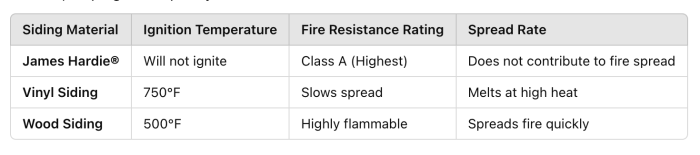
When it comes to the fire resistance rating of vinyl siding, several key factors come into play that can influence its overall performance in the event of a fire. Understanding these factors is crucial for ensuring the safety and protection of buildings and occupants.Material Composition:The material composition of vinyl siding plays a significant role in determining its fire resistance rating.
Vinyl siding is typically made from polyvinyl chloride (PVC), a thermoplastic material known for its low flammability. The inherent properties of PVC contribute to the fire resistance of vinyl siding, making it a popular choice for exterior cladding.Additives and Treatments:In addition to the base material, additives and treatments can be incorporated into vinyl siding to enhance its fire resistance.
For example, flame retardant chemicals can be added during the manufacturing process to reduce the material's flammability. These additives help improve the overall fire performance of vinyl siding and increase its resistance to ignition and flame spread.Installation Methods:The installation methods used for vinyl siding can also impact its fire resistance rating.
Proper installation practices, such as ensuring adequate ventilation and maintaining clearances from heat sources, can help prevent fire hazards and improve the overall safety of the building. On the other hand, improper installation techniques can compromise the fire resistance of vinyl siding and increase the risk of fire damage.By considering these key factors, building owners and contractors can make informed decisions regarding the selection, installation, and maintenance of vinyl siding to enhance its fire resistance and ensure the safety of the structure and its occupants.
Comparing Vinyl Siding Fire Resistance Ratings
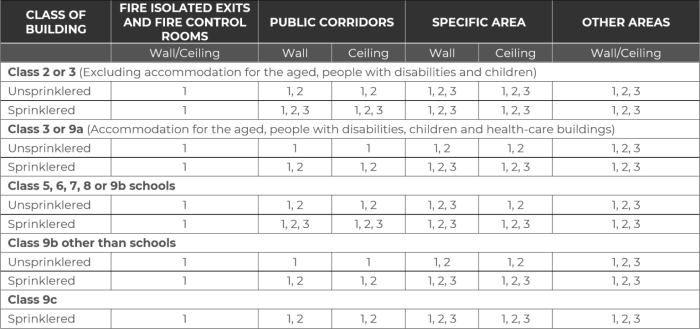
When it comes to vinyl siding, fire resistance ratings play a crucial role in determining the safety and durability of the material. Let's delve into comparing different types of vinyl siding based on their fire resistance ratings and how these ratings impact various aspects of the product.
Types of Vinyl Siding and Fire Resistance Ratings
There are different types of vinyl siding available in the market, each with varying fire resistance ratings. Some may have higher ratings, making them more resistant to fire, while others may have lower ratings, posing a higher risk in case of a fire incident.
- Vinyl siding with a Class A fire rating is the most fire-resistant and can withstand severe exposure to fire.
- Class B rated vinyl siding offers moderate fire resistance, providing a balance between safety and cost.
- Class C rated vinyl siding has the lowest fire resistance among the three classes and may not be suitable for high-risk fire areas.
Pros and Cons of Varying Fire Resistance Ratings
Higher fire resistance ratings generally mean better protection against fire hazards, but they often come at a higher cost. On the other hand, lower-rated vinyl siding may be more affordable but could compromise on safety
Impact on Cost and Durability
The fire resistance rating of vinyl siding can significantly impact its cost and durability. Higher-rated siding tends to be more expensive due to the advanced materials and manufacturing processes involved in enhancing fire resistance. However, this investment can pay off in the long run by ensuring the longevity and safety of your property.
Industry Standards for Fire Resistance Ratings
The vinyl siding industry follows strict standards when it comes to fire resistance ratings to ensure the safety of consumers and compliance with building codes. These standards are set by regulatory bodies and organizations to maintain a high level of quality and performance in vinyl siding products.
Enhancing Fire Resistance of Vinyl Siding
When it comes to enhancing the fire resistance of vinyl siding, there are various innovative technologies and best practices that can be employed to ensure the safety and durability of the material.
Innovative Technologies for Improving Fire Resistance
- Intumescent Coatings: These coatings expand when exposed to high temperatures, forming a protective barrier that delays the spread of fire.
- Fire Retardant Additives: Adding specific chemicals to the vinyl formulation can help reduce flammability and enhance fire resistance.
- Advanced Composite Materials: Utilizing composite materials with inherent fire-resistant properties can significantly improve the overall fire resistance of vinyl siding.
Best Practices for Maintaining Fire Resistance
- Regular Inspections: Conduct routine inspections to check for any damage or wear that may compromise the fire resistance of the siding.
- Cleaning and Maintenance: Keep the siding clean and free of debris to prevent any potential fire hazards from accumulating.
- Proper Installation: Ensure that the vinyl siding is installed according to manufacturer guidelines to maintain its fire-resistant properties.
Tips for Enhancing Fire Protection
- Consider Fire-Resistant Underlayment: Installing a fire-resistant underlayment beneath the vinyl siding can provide an extra layer of protection.
- Use Non-Combustible Trim: Opt for non-combustible trim materials to reduce the risk of fire spreading to the siding.
- Invest in Fire-Resistant Vinyl: Look for vinyl siding products that have undergone rigorous testing and certification for superior fire resistance.
Certifications and Tests for Superior Fire Resistance
- ASTM E84: This test measures the surface burning characteristics of building materials and is commonly used to assess the fire resistance of vinyl siding.
- UL 94: This standard evaluates the flammability of plastic materials and can help identify vinyl siding products with excellent fire resistance properties.
- NFPA 285: A full-scale fire test that evaluates the fire propagation characteristics of exterior wall assemblies, including vinyl siding products.
Epilogue
In conclusion, the fire resistance rating of vinyl siding plays a pivotal role in ensuring the safety and longevity of your property. By being aware of the factors that influence these ratings and how they compare across different products, you'll be equipped to make the best choice for your specific needs.
Dive into the world of vinyl siding fire resistance ratings with confidence and knowledge.
Frequently Asked Questions
What does fire resistance rating mean for vinyl siding?
Fire resistance rating indicates how well vinyl siding can withstand fire exposure without compromising its structural integrity.
How is the fire resistance rating of vinyl siding determined?
The fire resistance rating of vinyl siding is determined through tests that measure its ability to resist fire under controlled conditions.
What are some common fire resistance ratings for vinyl siding products?
Common fire resistance ratings for vinyl siding products range from Class A (highest rating) to Class C (lowest rating).
How do additives or treatments enhance the fire resistance of vinyl siding?
Additives or treatments can improve the fire resistance of vinyl siding by introducing elements that make it more resistant to flames and heat.
Are there industry standards related to fire resistance ratings for vinyl siding?
Yes, there are industry standards that dictate the fire resistance requirements for vinyl siding products to ensure their safety and quality.